
Protecting and Caring for Caves
Conservation practices used in protecting and caring for caves and karst must take into account the living ecosystems found within this evolving landform. Karst geo-ecosystems are fragile and once destroyed are gone forever.
Fracking in the Kimberley Region of WA.
The Valhalla Fracking Proposal
The Texas-based fracking company, Black Mountain Energy has plans to frack in the West Kimberley region of WA. The WA Environmental Protection Agency has granted permission for the company to undertake the drilling of 20 wells in the area between Camballin, Mt Hardman and Fitzroy Crossing. This decision was made even though the development impacts the Martuwarra Fitzroy River.
There has been considerable public push back against the WA EPA's decision which has resulted in the issue currently being reviewed by the WA Office of Appeals Convenor.
Why is it important to stop this development? The developers want to drill and frack 20 wells in the flood plain of the National Heritage listed Martuwarra Fitzroy River. The aim is to obtain gas for export. The burning of this gas will contribute to CO2 production adding to Australia's negative impact on climate change.
The project will have impacts on several Matters of National Environmental Significance, (MNES), including:
the national heritage values of national heritage listed Martuwarra Fitzroy River.
listed threatened species, in particular the Sawtooth fish whose nursery is in the Martuwarra River.
listed migratory species, and
water resources, in particular the extraction of groundwater in the dry season for use in the fracking wells.
What you can do.
The development is also before the Federal Government being assessed by the Environment Protection and Biodiversity Conservation Act. Public submissions are open until the 11.59pm AEST 20th July 2026. You can make your submission here.
Please note that Black Mountain Energy is managing the public submission process as is required under the EPBC Act. You can find documentation on the proposal here.


Photo: © C. Buswell
Photo: © C. Buswell
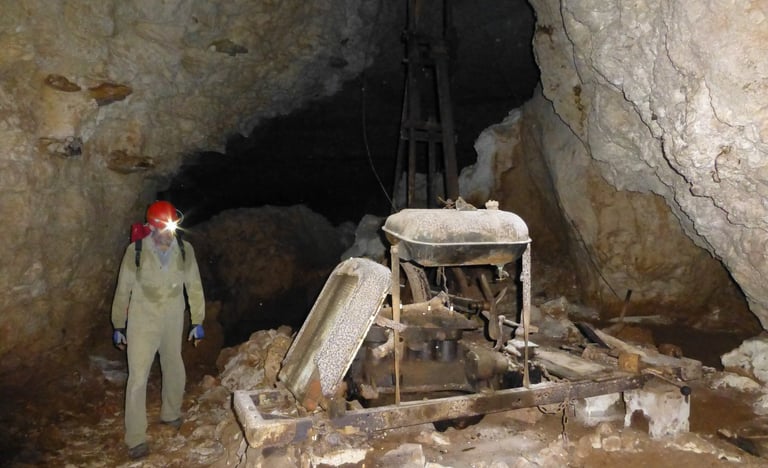

Clean up the Dark is international programme aimed at cleaning up our caves and underground streams from pollution caused by humans.
It is part of the Clean up the World International Day which takes place on 20th September each year.
Our members remove rubbish from caves to help protect the fragile ecosystems found within. Why?
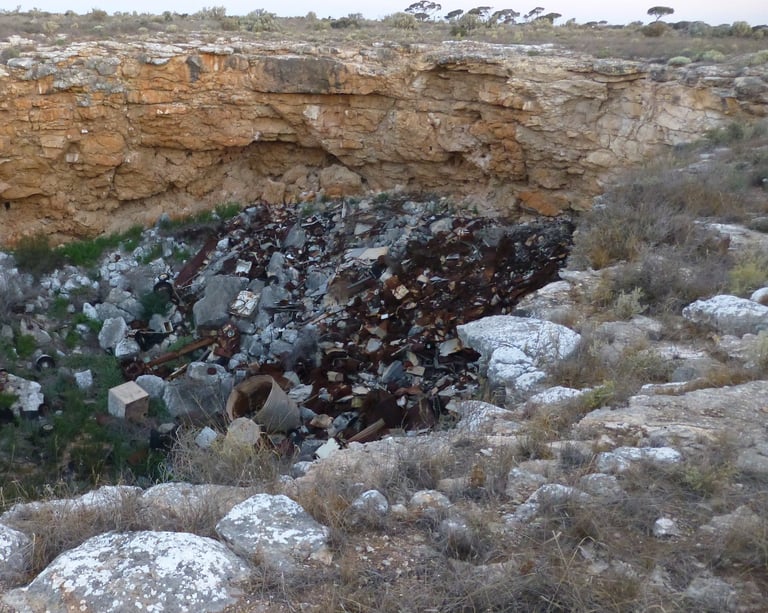
Using cave entrances as rubbish dumps causes:
leaching of pollutants into soils and waterways,
distrupts airflows
restricts and or prevents the movement of cave dwelling animals, such as bats into and out of caves
provides homes to feral species such as cats, rabbits and invasive weeds which further impact karst ecosystems
Clean up the Dark
What about water found in caves?
The aquifers found in karst landscapes supply drinking water to nearly 10% of the global population some 800 million people'. (Stevanovic 2018).
In Australia, karst aquifers include those of the Ottaway basin, in Victoria, the Daly Rivers Basin, Northern Territory, the Kimberly area of Western Australia and the unconfined aquifer under the Nullarbor.
Our karst aquifers are under a high degree of threat from overuse by mining and agricultural practices.(Barnett, Harrington Cook,etal 2010)
Management of these aquifers is complex, multi-jurisdictional and a site of conflict between users and management authorities.
Rubbish dumped into a cave on the Nullarbor Photo: © C. Buswell
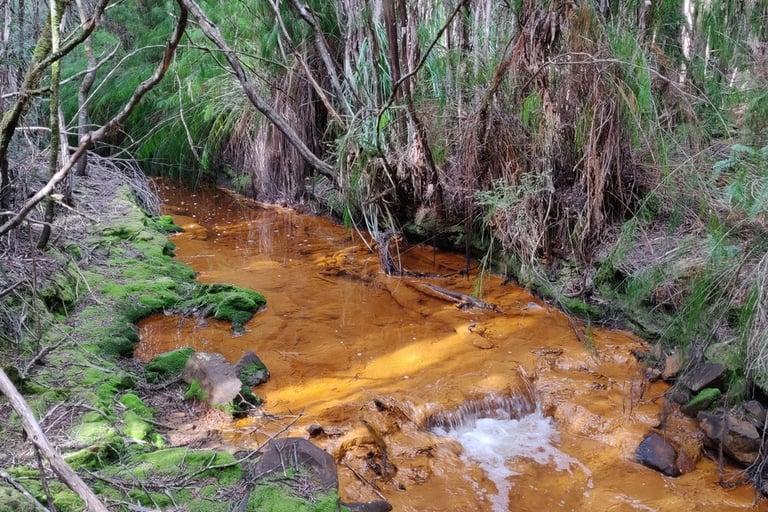
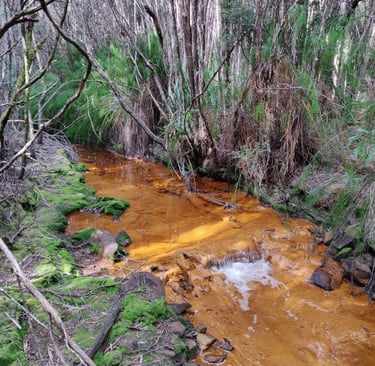
Tailings Dam Pollution Running into a Cave in Tasmania. Photo:© Janice March
You Can be involved signup here:
Photo: © C. Buswell
Caves Australia acknowledges Aboriginal and Torres Strait Islander peoples as the traditional owners and custodians of the land, rivers, and sea on which we live, and we pay our respects to their Elders past, present and emerging. We acknowledge and respect the deep spiritual connection that Aboriginal and Torres Strait Islander people have to Country, especially to caves.




This site is sponsored by the Conservation Commission of Caves Australia.